Andes Virus: The Most Dangerous Hantavirus Strain & How Human-to-Human Transmission Works
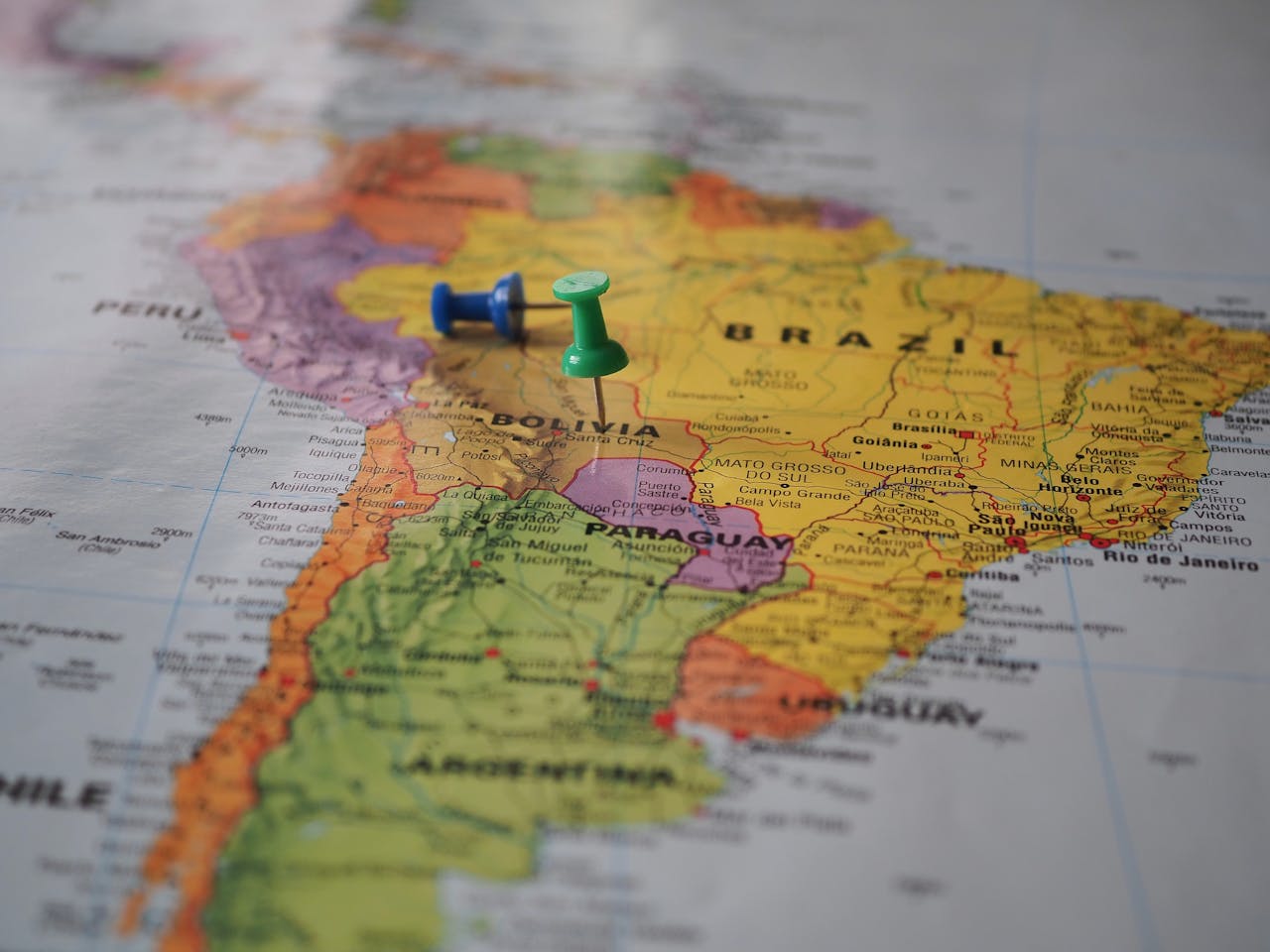
Andes virus is unique among hantaviruses for one terrifying reason: it's the ONLY strain that spreads human-to-human. This makes the 2026 outbreak fundamentally different from all previous hantavirus events.
What Makes Andes Virus Different?
All other known hantaviruses (Sin Nombre, Puumala, Hantaan, Seoul, etc.) spread ONLY through contact with infected rodent material. They cannot spread between people.
Andes virus breaks this pattern. It can spread from human to human, which is why:
How Human-to-Human Transmission Works
Direct Contact Routes
Saliva:
Respiratory Droplets:
Contact with Body Fluids:
What About Casual Contact?
Casual contact appears safe:
The virus requires close contact, typically with fresh bodily fluids or respiratory droplets.
Why the MV Hondius Outbreak Spread
The cruise ship created a PERFECT environment for transmission:
When infected passengers were in the febrile phase (days 1-4), they didn't know they were sick and continued:
This is why the outbreak spread to 7 countries.
Mortality Rate and Severity
Andes Virus Mortality: 39%
This is one of the highest mortality rates for any human virus:
Every 3 infected people, roughly 1 dies.
Clinical Presentation
Andes virus disease progression is identical to other hantavirus strains:
Day 1-4: Febrile phase (fever, muscle aches, fatigue)
Day 4-10: Critical phase (respiratory symptoms, lung failure)
Day 10+: Recovery (if survived)
Incubation Period
Time from infection to symptoms: 5-14 days
This incubation period is critical for outbreak control because infected people can travel while asymptomatic.
Pandemic Potential
Why is human-to-human transmission concerning?
The 2026 Outbreak Timeline
Early May 2026: Initial cases on MV Hondius
Day 5-7: Infected passengers begin showing symptoms
Day 10-14: Symptoms worsen, some hospitalized
Day 14+: Cases identified in multiple countries
Current: 5+ confirmed cases across 7 countries
If not contained, this could become a serious pandemic.
Why This Matters
All previous hantavirus outbreaks were geographically limited:
Andes virus breaks these patterns, making it:
Prevention for Human-to-Human Transmission
If You're Near an Infected Person:
Protect yourself:
Healthcare Workers:
Public Health Response:
The Bottom Line
Andes virus is the ONLY hantavirus that spreads human-to-human. This makes the 2026 outbreak fundamentally different and potentially far more serious than previous hantavirus events. Vigilance, early detection, and rapid isolation are essential.
By Hantavirus Monitor
Published May 2026