Learn proven hantavirus prevention methods: how to rodent-proof your home, safe cleanup procedures with proper PPE, and practical steps to reduce exposure risk in your area.
Hantavirus is preventable. Unlike many infectious diseases that spread person-to-person, hantavirus transmission depends entirely on direct or indirect contact with infected rodents. By understanding how infection occurs and taking practical steps to eliminate rodent exposure, you can effectively protect yourself and your family from this serious threat.
How Hantavirus Spreads: Understanding Transmission Routes
Hantavirus is carried by certain rodent species, particularly deer mice, but also cotton rats and rice rats depending on geographic location. The virus is found in their saliva, urine, and feces. Infection occurs when you breathe in aerosolized virus particles—not through direct rodent contact.
Primary Transmission Routes:
1.Inhalation of aerosolized particles from dried rodent droppings when sweeping or vacuuming contaminated areas
2.Inhalation during cleanup of rodent-infested spaces without proper respiratory protection
3.Indirect contact when touching contaminated surfaces then touching your face
4.Rare: Direct exposure to fresh urine or saliva (such as a bite or handling a dead rodent)
5.Environmental exposure in enclosed spaces with high rodent populations (abandoned buildings, storage areas, attics)
What does NOT spread hantavirus:
•Person-to-person contact (except in rare cases of Andes virus)
•Food or water
•Insect bites
•Contact with infected animals' fur (as long as skin is intact)
•Being in the same room with someone who has hantavirus
Understanding these routes clarifies prevention: the goal is to eliminate rodents from your living space and avoid aerosolizing their waste.
Step 1: Eliminate Rodents from Your Home
The most effective prevention is preventing rodent entry and eliminating existing populations.
Identifying Rodent Infestations:
Look for these signs of active rodent presence:
•Fresh droppings (1/4 inch long, dark, shaped like rice grains)
•Gnaw marks on food packaging, wires, or wood
•Nesting material (shredded paper, fabric, plant material in corners or enclosed spaces)
•Rub marks along walls (from rodent fur)
•Musty odor (stronger in enclosed areas)
•Scratching sounds in walls, especially at night
•Rodent tracks visible in dusty areas
Rodent-Proofing Your Home:
Seal entry points immediately:
•Cracks and crevices in foundation—use steel wool and caulk
•Gaps around pipes and utility lines—seal with expanding foam or caulk
•Holes in exterior walls—patch with steel mesh or concrete
•Door gaps—install weather stripping
•Chimney openings—install chimney caps
•Attic vents—screen with 1/4-inch mesh
•Garage door edges—ensure tight seal when closed
Rodents can squeeze through openings as small as 1/4 inch. Be thorough.
Remove food sources:
•Store pantry items in airtight containers (not cardboard)
•Keep kitchen clean—wipe counters, sweep regularly
•Don't leave pet food out overnight
•Use garbage cans with tight-fitting lids
•Compost only plant-based materials, never meat or dairy
•Remove birdseed from feeders at dusk (attracts rodents)
Eliminate harborage:
•Remove clutter, especially in storage areas
•Keep woodpiles at least 100 feet from home
•Trim tree branches away from roof (rodents use as highways)
•Store items off ground in sheds/garages
•Remove cardboard boxes and replace with plastic storage containers
•Eliminate dense vegetation near home foundation
Effective Rodent Removal:
If rodents are already present:
1.Call professional pest control (safest option)
2.Use snap traps (more effective than glue traps; more humane)
3.Place traps along walls where rodents travel, baited with peanut butter
4.Check traps daily
5.Dispose of dead rodents safely (see cleanup section below)
Avoid:
•Releasing rodents elsewhere (inhumane and spreads the problem)
•Live traps without immediate relocation
•Poison (leaves dead rodents in walls, creating cleanup hazards)
Step 2: Safe Cleanup of Rodent-Contaminated Areas
This is where transmission risk is highest. Improper cleanup can create dangerous aerosolized virus exposure.
Before You Start: Gather Supplies
You will need:
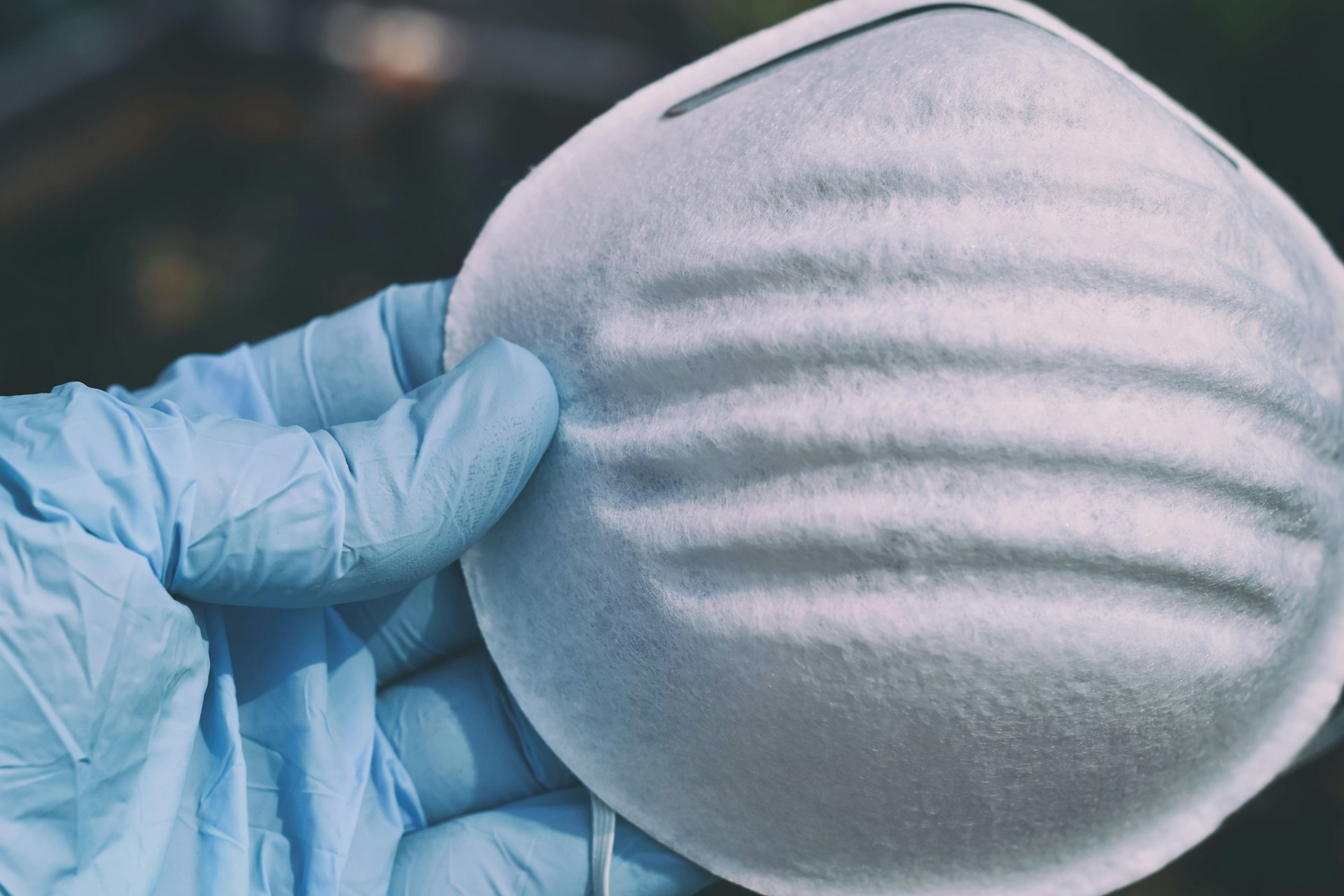
•N95 or higher respirator mask (not cloth; not surgical mask)
•Disposable gloves (latex or nitrile)
•Eye protection (safety glasses or goggles)
•Disinfectant (bleach solution: 1 part bleach to 10 parts water, or commercial disinfectant)
•Paper towels or disposable cloths
•Plastic bags for waste disposal
•Damp cloth or mop for cleaning
Step-by-Step Cleanup Protocol:
1. Ventilation is critical
•Open all windows and doors
•Leave space ventilating for at least 30 minutes before starting
•Use fans to increase air circulation (point outward)
•Wear your N95 mask throughout cleanup
2. Never sweep or vacuum dry droppings
•Sweeping and vacuuming aerosolizes virus particles
•This is a common cause of infection
3. Wet cleanup method (proper technique)
•Spray contaminated areas with disinfectant until wet
•Let sit for 5 minutes
•Wipe up with paper towels or cloth
•Place waste in plastic bags for disposal
•Spray again after wiping
•Let dry
4. Dispose of waste properly
•Place all contaminated materials in labeled plastic bags
•Seal bags and place in trash
•Don't compact waste
•In rural areas, contact local health department for guidance on burial
5. After cleanup
•Remove outer gloves carefully (turning them inside-out)
•Remove mask after leaving contaminated area
•Wash hands thoroughly with soap and water
•Wash any clothing that was worn during cleanup
Specific Areas Requiring Special Attention:
Attics and crawl spaces:
•Often heavily contaminated
•Require full protective equipment
•Consider professional remediation
Under porches and decks:
•Seal access after cleanup to prevent re-infestation
Sheds and garages:
•Don't let contamination persist
•Clean immediately upon discovery
Vehicle interiors:
•If rodents nested inside, clean cabin filters first
•Replace air filters before using vehicle again
Step 3: Preventing Occupational Exposure
If your work involves environments where hantavirus might be present, take extra precautions.
High-Risk Occupations:
•Farm workers
•Pest control professionals
•Exterminators
•Chimney sweeps
•Construction workers in old buildings
•Wildlife biologists
•Park rangers
•Military personnel in endemic areas
•Utility workers accessing crawl spaces
Workplace Prevention:
•Wear N95 masks when working in potentially contaminated areas
•Ventilate spaces before occupying them
•Use wet cleanup methods for any rodent droppings
•Report rodent infestations to management immediately
•Receive hantavirus awareness training
•Know symptoms and seek medical care promptly if exposed
Step 4: Outdoor Activities and Camping Safety
If you camp, hike, or spend time in areas with wild rodent populations, take precautions.
Camping and Hiking Prevention:
Before departure:
•Check sleeping area and tent for rodent nests or droppings
•Don't use cabins with rodent evidence
During your stay:
•Store all food in bear canisters or sealed containers
•Never leave food or trash outside
•Don't handle rodents or dead animals
•Avoid caves (high rodent populations)
•Don't touch or sit on rodent droppings
Sleeping safely:
•Use tents or structures, not open air
•Keep distance from rodent-infested areas
•Elevate sleeping bags off ground
After camping:
•Inspect and air out gear before storage
•If you find droppings in gear, clean with disinfectant before storing
Step 5: Recognizing High-Risk Environments
Some locations carry higher hantavirus risk. Understand your local risk level.
Highest-Risk Environments:
•Abandoned or rarely-used buildings in hantavirus-endemic areas
•Crawl spaces and attics with visible rodent activity
•Old barns or agricultural buildings
•Storage facilities with signs of rodent infestation
•Caves and mines in endemic regions
Moderate-Risk Environments:
•Older homes with visible rodent signs
•Garages or sheds used seasonally
•Basements in homes with previous rodent problems
If you must enter high-risk spaces:
•Wear N95 masks and gloves
•Ventilate thoroughly first
•Clean with wet methods
•Don't postpone medical care if you develop symptoms
Step 6: Geographic Awareness
Hantavirus risk varies by region. Know your local risk.
Endemic Areas (United States):
•Southwest: New Mexico, Arizona, Nevada, Utah, Colorado (highest risk)
•Great Plains: North and South Dakota, Nebraska, Kansas, Oklahoma
•West: California, Oregon, Washington, Idaho
•Southeast: Sporadic cases in Arkansas, Louisiana, Mississippi, North Carolina
•Northeast: Connecticut, New York (rare)
If you live in or travel to these areas, maintain higher vigilance.
International Risk:
•South America: Andes virus (more severe, can spread person-to-person rarely)
•Europe: Very rare, but hantavirus present in some regions
•Asia: Various hantavirus species
Step 7: If You're Exposed (Suspected Exposure)
You don't need to panic, but you should take action.
Immediately After Suspected Exposure:
1.Leave the contaminated area
2.Avoid further disturbance of potentially contaminated materials
3.Shower and change clothes (wash in hot water separately)
4.Wash hands thoroughly
5.Dispose of contaminated items (sealed in plastic)
In the Following Weeks:
•Monitor for symptoms (fever, muscle aches, shortness of breath)
•Seek medical care immediately if symptoms develop
•Tell your doctor about the exposure (critical for diagnosis)
•Don't delay seeking care—early hospitalization improves survival
Special Populations: Additional Precautions
Pregnant women:
•Avoid all rodent-contaminated areas
•Have others handle cleanup
•Seek medical care for any symptoms immediately
Immunocompromised individuals:
•Heighten precautions
•Consider having others handle cleanup
•Report exposures to your doctor proactively
Elderly individuals (over 60):
•Higher mortality risk if infected
•Avoid high-risk areas
•Be especially vigilant about symptoms
Children:
•Teach them never to touch rodents or droppings
•Supervise outdoor play in high-risk areas
•Keep vaccine updated if available
The Bottom Line: Prevention Works
Hantavirus is serious, but entirely preventable through:
•Eliminating rodents from your home
•Using proper protective equipment during cleanup
•Understanding transmission routes
•Seeking immediate medical care if exposed or symptomatic
You have the power to protect yourself. Take these steps seriously, and hantavirus risk becomes minimal. Complacence is the real danger—vigilance is your best defense.